What the engagement covers
Cost is a property of the architecture, settled at design time
Most cloud overspend is not waste in the obvious sense. It is a design decision nobody revisited, running every hour since. The work is finding those decisions, pricing them, and giving you the evidence to change them.
Billing analysis, line by line
I go through the invoice at resource level rather than service level, across every account and subscription, and reconcile it against what the architecture was supposed to cost.
Rightsizing and commitment coverage
Instances, nodes, storage tiers and databases measured against real utilisation, then reserved instances, savings plans and committed use discounts sized to the load you genuinely run.
Tagging, showback and chargeback
A tagging standard that survives contact with real teams, so every group sees its own bill. Cost stops being one number the CFO argues about and becomes a signal each team owns.
Anomaly review
A runaway environment should surface in days, not at month end. I set up the review loop and hand it over, rather than leaving you dependent on me to run it.
Unit economics
Cost per tenant, per transaction or per customer, so pricing and capacity conversations start from a real number.
Forecasting and budgets
Budgets that reflect planned architecture change rather than last month plus ten percent.
- Amazon Web Services
- Microsoft Azure
- Google Cloud
- Kubernetes
- Terraform
- Grafana
Where this shows up in the work
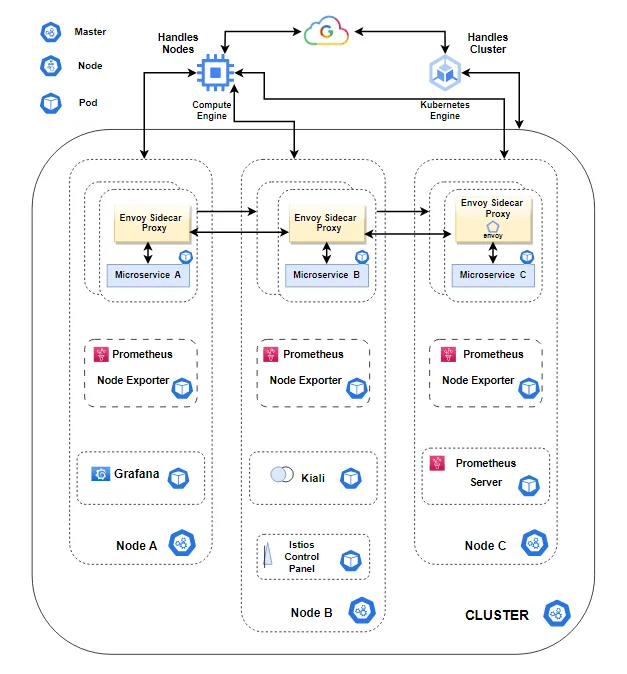
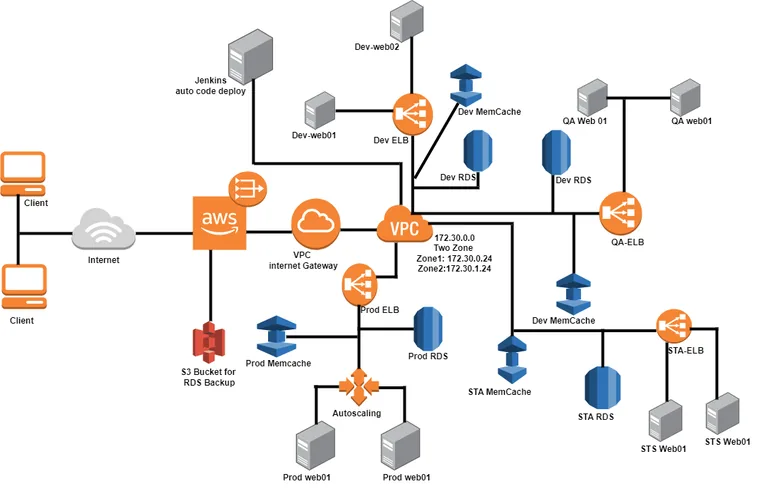
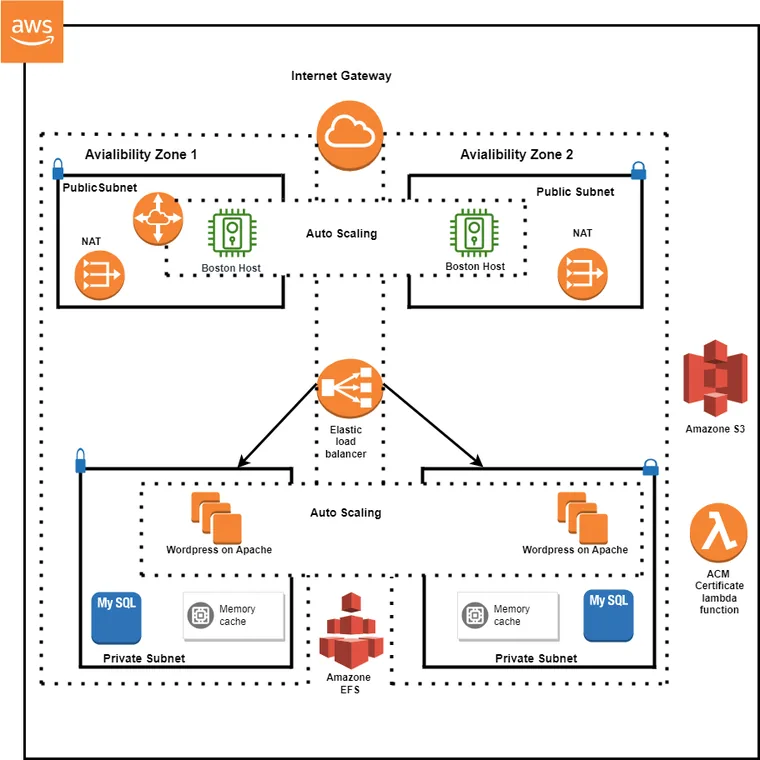
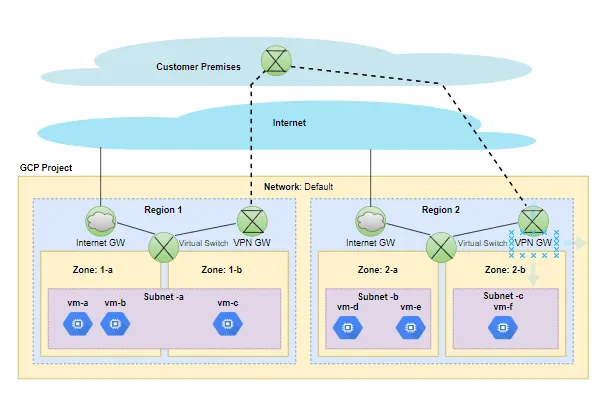
FinOps is rarely a separate project. It lands inside architecture decisions, which is why these builds are the reference points.
Common questions
How quickly do savings show up?
The first read usually takes two to three weeks depending on how many accounts are in scope. Rightsizing and commitment changes can land in the same month. Tagging and showback take longer, because they need agreement from the teams whose bills are about to become visible.
Do you need access to our cloud accounts?
Read-only billing access is enough to start, and for many engagements it is all I ever need. Cost and usage reports plus a resource inventory will get you a useful first read without granting anything broader.
Which clouds do you cover?
AWS, Azure and Google Cloud, including estates split across more than one. Multi-cloud is where most of the savings hide, because nobody owns the comparison.
Is this a one-off review or ongoing?
Both exist. A one-off read gives you a prioritised list and the evidence behind it. Ongoing work makes sense when the estate is changing fast enough that the list goes stale, which is usually the case during a migration.
Other things I'm brought in for
Most engagements touch more than one of these.
Bring me your last cloud invoice.
Thirty minutes is enough for a first read on where the spend is going and whether there is anything worth chasing.