What the engagement covers
Infrastructure defined as code, so the estate is reproducible rather than remembered
A migration is not finished when the workload runs in the new place. It is finished when the team that inherited it can operate, scale and pay for it without calling the people who moved it.
Landing zones and foundations
Account and subscription structure, hub networking, identity, guardrails and tagging, put in before the first workload rather than retrofitted around it.
Datacentre and VMware to cloud
VMware vSphere and ESXi estates to AWS, Azure or Google Cloud, using Azure Migrate, Site Recovery and replication tooling against tested recovery objectives.
Cross-cloud and private cloud
EKS to AKS to GKE, and public to private including Azure to OpenStack, for workloads that have to come back inside the perimeter.
Database migration
MySQL, PostgreSQL, MongoDB, MS SQL and Oracle, with pglogical, native binlog, replica sets and Data Guard, plus a validation plan that runs before cutover rather than after.
Resilience and networking
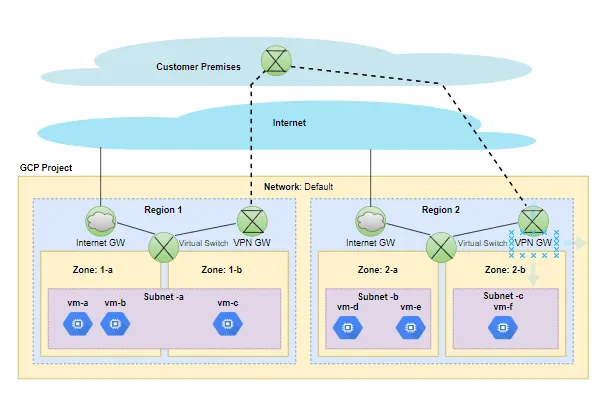
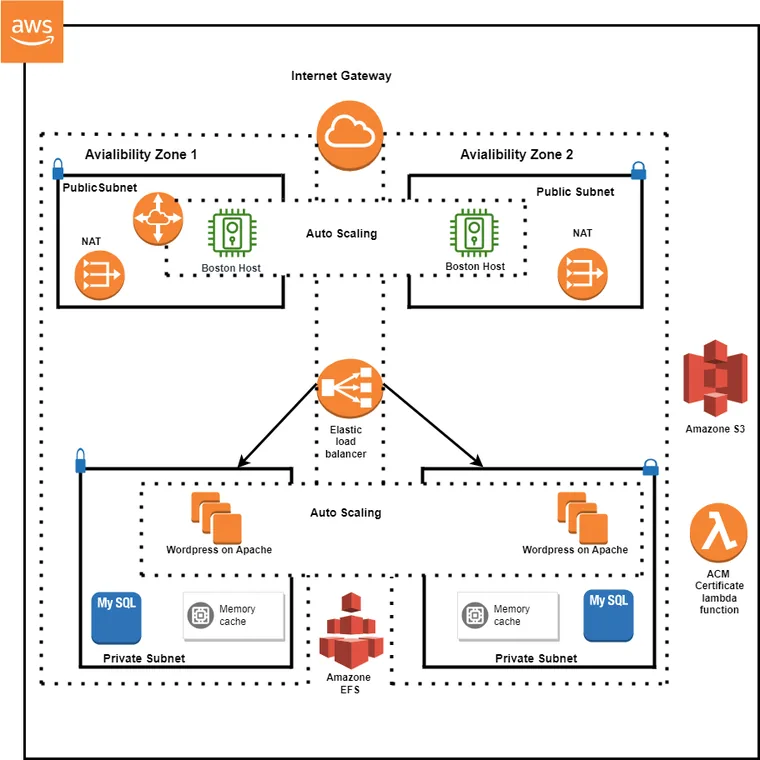
Multi-AZ design, load balancing, DNS, NAT and the failure path drawn explicitly. High availability is a claim until someone shows what happens when a zone goes dark.
Enablement and handover
Written for the network engineers, system administrators and infrastructure teams who inherit the estate. Provider differences are what bite during a migration, and they bite the people who were never briefed.
- Amazon Web Services
- Microsoft Azure
- Google Cloud
- Red Hat OpenShift
- Terraform
- Kubernetes
Where this shows up in the work
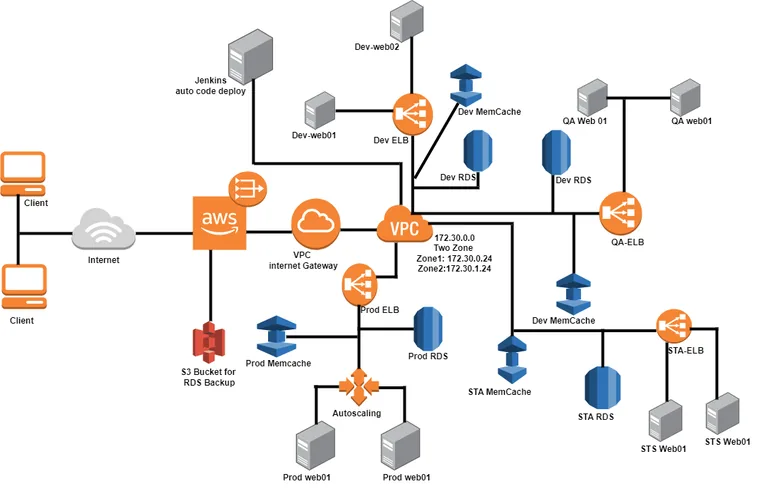
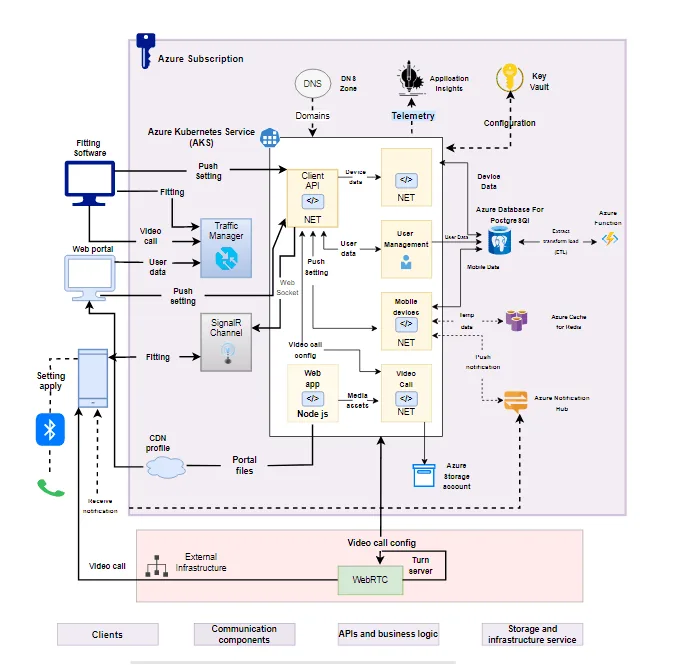
Resilience, networking foundations, and the builds that carry a migrated estate.
Common questions
How long does a migration take?
Timelines have run from six weeks for a simple build to several months for a full platform. The variable is rarely the move itself — it is how much of the current estate is documented, and how many teams have to agree.
Can you migrate out of a cloud as well as into one?
Yes. Public to private, Azure to OpenStack, and cloud to on-premises OpenShift are all in the portfolio. Repatriation is usually driven by cost, or by a compliance boundary that moved.
Do you rehost or redesign?
Both, and the decision is per workload rather than per estate. Rehosting buys speed; redesigning buys the cost profile. Making that call workload by workload is most of the planning work.
What happens to the team that inherits it?
Enablement is part of delivery. A migrated estate handed to a team that was never briefed on how the new provider differs is how migrations turn into permanent dependency.
Other things I'm brought in for
Most engagements touch more than one of these.
Bring me the estate you have to move.
Thirty minutes is enough to walk the current shape and tell you where the hard parts are, before anyone commits to a date.